Are LED Grow Lights Dangerous For Humans?
Any grow light used poorly can harm plants. As a grower, you've likely considered hanging distance, extra cooling, and hydration to ensure your lights are helping your plants grow rather than harming them.
Humans? . Concentrated LED lights can harm your eyes. Today's high-power LEDs prove this. Wear shades and avoid staring at LEDs.
LED grow lights are safe like any other sort. HPS is more dangerous than LEDs due to its high mercury content, heat, risk of burns, broken bulbs, and carbon impact. CELMA, the European Union Federation of National Manufacturers Group for Luminaires and Electrotechnical Components for Luminaires, has proven this.
As with any grow light, you should know the health risks of LED grow lights so you can defend yourself. You're safe with safeguards.
Mercury in LED Grow Lights?
LED grow lamps are rumored to contain mercury. This is false but built on a former truth.
LED technology has eliminated both of these. Mercury-free LEDs emit light directly today. Unimportant.
LED light hazards
LED grow lights mimic sunlight. They're great for growing. Spectrum-variable LED lights can simulate natural seasons for plants.
Bringing the sun indoors effects you and your crop. You get sunburned-like rays. LED grow lamps are not harmful. If you or your workers spend a lot of time in spaces with high-power LED grow lights, be smart and prepared.
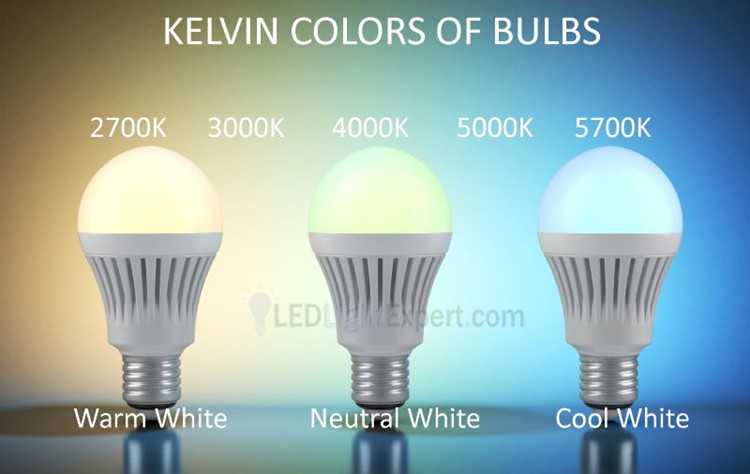
LED light exposure risks? . Shorter frequencies are riskier. The largest visible light wavelength is infrared. Reds, oranges, and yellows are safe. Blue and UV light—shorter wavelengths—must be monitored.
Cyan Light: Dangerous?
Blue light exposure has two risks.
The first is a hot issue as we become more dependent on tablets, smartphones, and other blue-light emitting devices.
Blue light disrupts sleep. Blue light inhibits the sleep-regulating hormone melatonin. This is why you're advised not to watch TV or use your phone before bed. Blue light disrupts hormones and makes sleep tough.
Blue light also harms eyes. Your eye blocks blue light poorly. Blue light can directly damage your retina, causing macular degeneration and visual loss. Grow lights won't blind you.
UV Risk to People
Growers know UV light boosts crop yield. To protect themselves from UVB rays, plants create more oil and resin, making a great product.
As your sunscreen shows, people need UV protection too. Not just face care. Dig deeper.
UV light is UVA, UVB, and UVC. UVC, with the shortest range, is the most dangerous. The sun has all three, but our atmosphere blocks most UVC. Most LED grow light makers exclude UVC from their supplemental UV lights.
Most UV lamps emit UVA and UVB. Without protection, UV rays can cause skin cancer. Again, don't worry or miss out on UVB lighting to boost your grow's potency. Just guard your skin.
Vision?
UVA enters the retina like blue light. UVA light causes cataracts and eye damage. The eye filters UVB. However, your eye suffers. UVB can cause corneal irritation or growths.
LED Growlight Safety
Preventing all these ailments is easy. LED grow lamps are safe and beneficial. Simply take measures.
Wear LED-safe eyewear. Sunglasses shield your eyes but distort your crop, making it harder to spot issues. Grow glasses show plants naturally.
Hang UV-emitting lamps at least 8 feet off the ground and stay at least 3 feet away. Grow tents rarely allow this.
Work in long-sleeved shirts.
Share these safety tips with workers and post UVA/UVB warning signs.
Use a natural white-viewing LED grow light.
You carefully designed a plant-safe grow setup. Self-medicate.
Ask your LED grow light maker about risks.